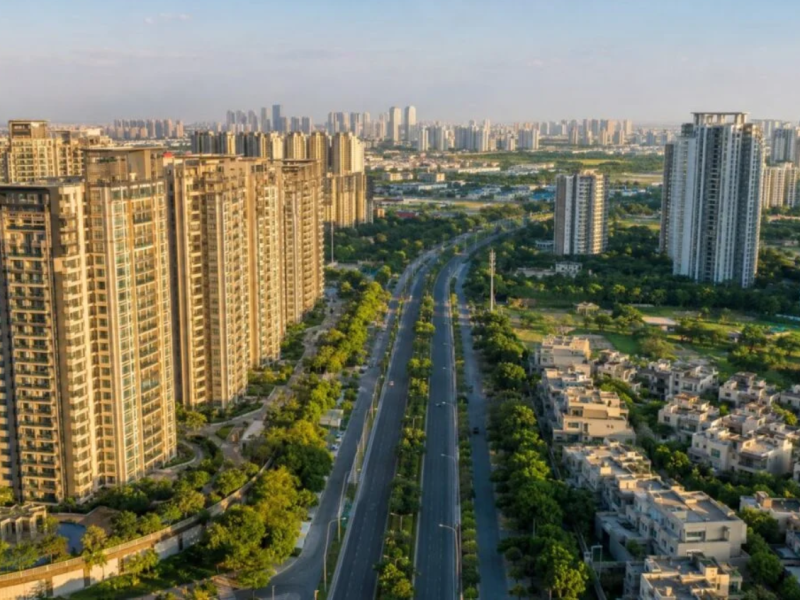

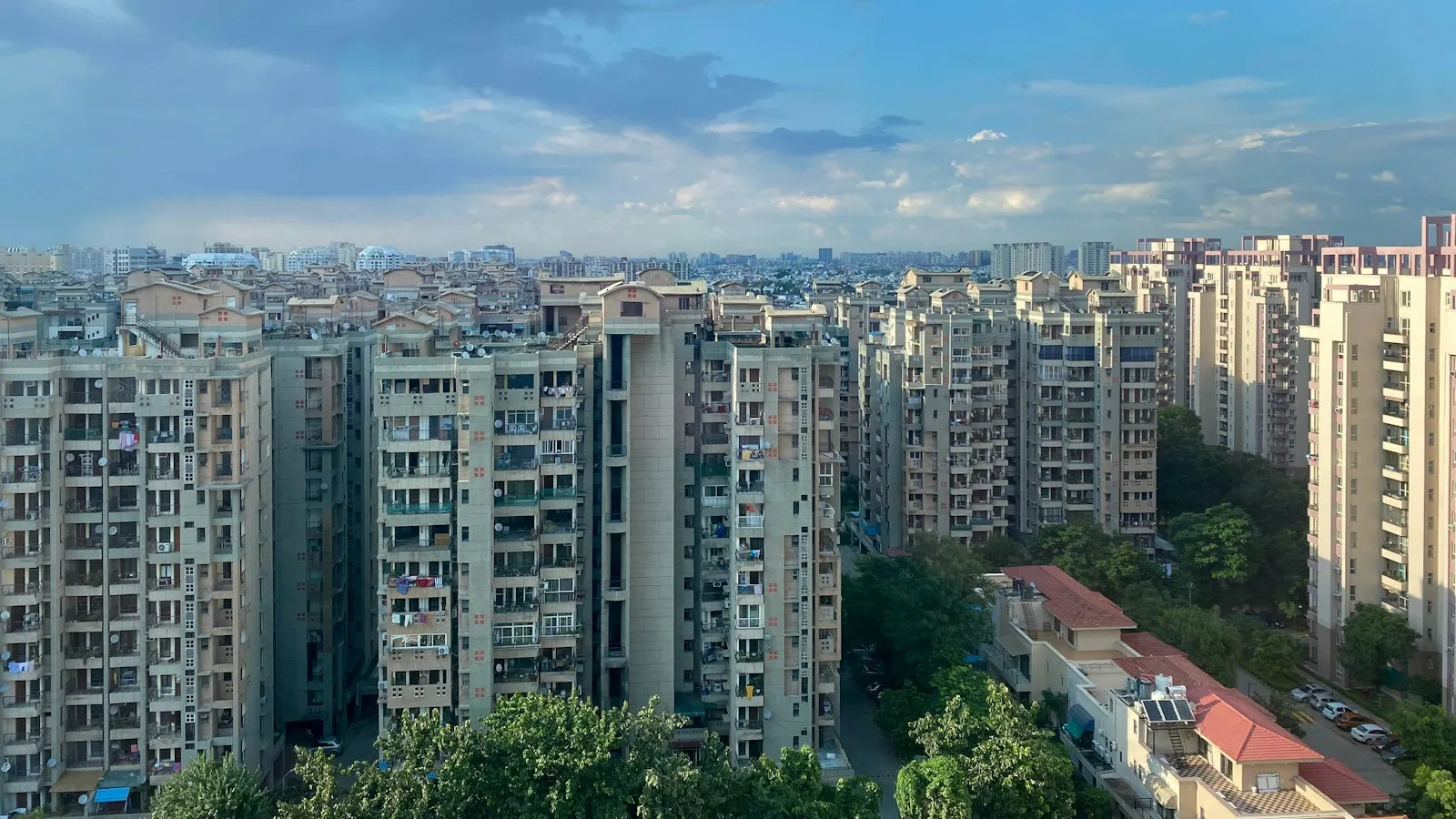
Buying a home in Gurugram is usually a crore-scale decision made over several months. This guide sets out the sequence most buyers follow, from defining a brief to registering the property, and the checks that protect you at each stage. It focuses on new and under-construction apartments, which make up most premium purchases in the city.
1. Define your brief
Write down what you need before you look at projects: preferred corridors (for example Golf Course Road, Golf Course Extension Road or Dwarka Expressway), configuration, minimum carpet area, budget range including all charges, timeline for moving in, and whether you are buying to live in or to hold. A clear brief keeps site visits focused and makes projects easier to compare.
2. Choose a location, then a project
Shortlist two or three micro-markets first. Visit at the hours you would normally commute, and check access to work, schools and healthcare. Only then compare individual projects within those areas. Our guides to Golf Course Extension Road and Sector 63A are a starting point, along with our overview of luxury apartments in Gurugram.
3. Verify the project with HRERA
Under the Real Estate (Regulation and Development) Act, 2016, projects above 500 square metres of land or eight apartments must be registered with the state regulator before they are marketed. In Gurugram that is HRERA Gurugram, on the portal haryanarera.gov.in. Search the project and check the promoter name, registered address, approved plans and the completion date declared to the regulator. Our step-by-step guide explains how to verify a project on HRERA.
4. Compare on carpet area and the official cost sheet
RERA requires apartments to be sold on carpet area, the net usable floor area of the apartment. Ask each developer for the official cost sheet for your configuration. It should show the base price, any preferential location charges, parking, club membership, maintenance deposits, taxes and the payment schedule. Compare total cost against carpet area, not a headline price.
5. Visit the site and the developer’s completed projects
Visit the site and the sample flat, but also visit one or two completed projects by the same developer. Construction quality, maintenance and how close they came to their promised completion date tell you more than a brochure.
6. Understand the payment plan and financing
Most new projects offer a construction-linked plan, where instalments fall due as construction stages are completed, or other structures set by the developer. If you are taking a home loan, check that your lender has approved the project before you book. RERA also caps what a developer can take before signing an agreement for sale: no more than 10 per cent of the cost without a registered agreement.
7. Book, then sign the agreement for sale
Booking usually involves an application form and a booking amount. Read the agreement for sale carefully before signing: carpet area, specifications, possession date, penalties for delay on both sides, and the list of common areas and facilities. Have a lawyer review it if you are unsure. Keep receipts for every payment.
8. Possession and registration
At possession, check that the developer has the occupation certificate for your tower, inspect the apartment against the agreed specifications, and note any defects in writing. The conveyance deed is then registered with the Haryana Revenue Department, and stamp duty and registration charges apply at the rates in force on the date of registration. Under RERA, the developer remains responsible for structural defects reported within five years of possession.
Where a consultant helps
A good property consultant saves time at the shortlisting, verification, site visit and negotiation stages, and keeps the paperwork on track. Read property consultant vs broker and how to choose a property consultant, or talk to Cloud Rrealty.
This guide is general information, not legal or financial advice. Rules and portals change; check the official sources linked here before you act. Last reviewed 12 November 2026.